
How Artificial Intelligence Is Reshaping the Job Market
Introduction
Artificial Intelligence (AI) is no longer a concept of the future; it’s here, and it’s transforming industries worldwide. While it has brought innovation and efficiency, it has also sparked debates about its impact on the job market. Will AI replace human workers, or will it create new opportunities? Let’s explore.
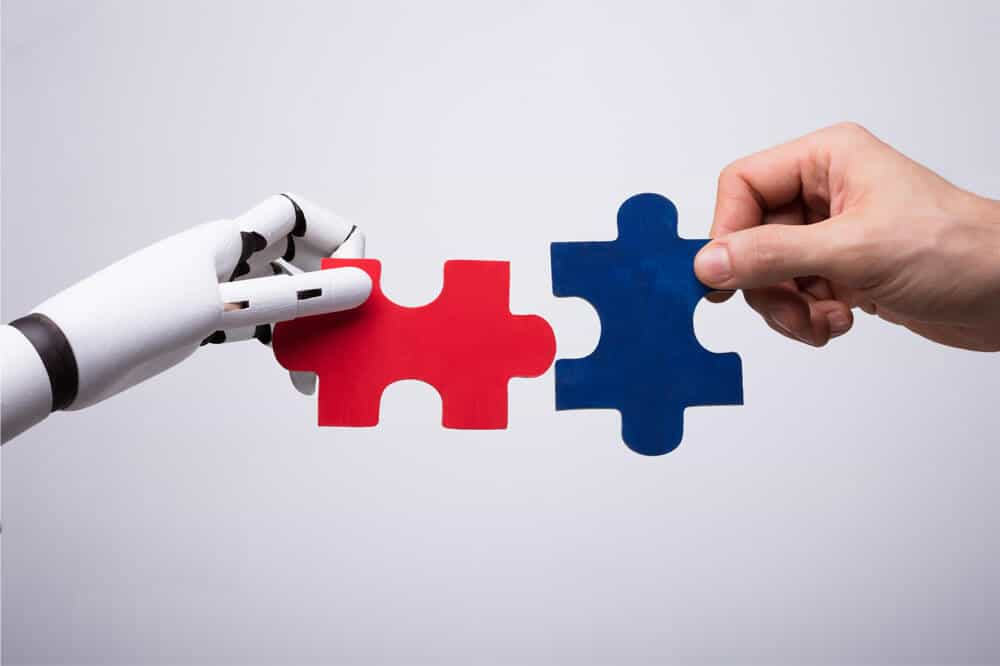
AI’s Role in the Workplace
AI is revolutionizing how businesses operate by automating repetitive tasks, analyzing data at unprecedented speeds, and improving decision-making processes. Here are some of the ways AI is being utilized:
- Automation: From manufacturing to customer support, AI-powered bots and machines are taking over routine tasks, increasing efficiency.
- Enhanced Decision-Making: AI tools help analyze large datasets to provide actionable insights, empowering managers to make data-driven decisions.
- Upskilling: AI is enabling workers to focus on more complex, creative, and strategic tasks by handling mundane operations.
Jobs Most Affected by AI
- Customer Service: Chatbots and virtual assistants are streamlining customer interactions.
- Manufacturing: Robotics powered by AI are automating assembly lines and quality control.
- Data Analysis: AI systems can process and analyze massive datasets faster than humans ever could.
- Logistics and Delivery: Self-driving vehicles and AI-driven supply chain management are revolutionizing the industry.
Jobs Created by AI
While some jobs are becoming obsolete, AI is also creating entirely new roles:
- AI Trainers: Professionals who teach AI systems how to understand and respond effectively.
- Data Scientists and Analysts: As AI generates more data, experts are needed to interpret and apply it.
- Ethics Consultants: With AI’s growing influence, ethical concerns are rising, creating demand for specialists to ensure responsible AI usage.
- AI Maintenance and Development: From coding to system upgrades, technical roles are flourishing in the AI ecosystem.
The Human-AI Collaboration
AI doesn’t have to mean “us versus them.” The future lies in collaboration:
- Augmenting Skills: AI can complement human skills, allowing professionals to achieve more in less time.
- Personalized Learning: AI-powered tools help workers upskill by identifying knowledge gaps and recommending tailored training programs.
- Creative Boost: In creative fields, AI acts as a co-creator, offering suggestions and enhancing human ingenuity.
Challenges of AI in the Job Market
- Job Displacement: Workers in repetitive roles are at risk of being replaced.
- Skill Gap: As demand for AI-related skills increases, workers must adapt to stay relevant.
- Economic Inequality: The benefits of AI adoption are not evenly distributed, potentially widening the gap between skilled and unskilled workers.
Preparing for an AI-Driven Future
- Upskill and Reskill: Embrace lifelong learning to stay ahead in a rapidly changing job market.
- Adaptability: Be open to new roles and industries that emerge as a result of AI.
- Focus on Uniquely Human Skills: Creativity, empathy, and critical thinking will always be in demand.
Final Thoughts
AI is not the end of human jobs, it’s the evolution of them. The key is to adapt and embrace change. By working alongside AI, we can unlock new opportunities and redefine what it means to work in the modern age.
The question isn’t whether AI will replace jobs but how we can shape a future where AI empowers the workforce, not replaces it.