
Cloud Computing: The Backbone of Modern Innovation
Introduction
The digital revolution has brought incredible advancements, and cloud computing is undoubtedly one of its cornerstones. Whether you’re streaming your favorite show, collaborating on a remote project, or running a business, chances are you’re leveraging the power of the cloud. But what makes cloud computing so indispensable, and why is it considered the backbone of modern innovation?
What Is Cloud Computing?
Cloud computing is the delivery of computing services—like storage, processing power, and applications—over the internet. Instead of relying on local hardware, businesses and individuals use remote servers hosted in data centers to perform tasks. This flexibility makes cloud computing faster, more efficient, and scalable.

Types of Cloud Services
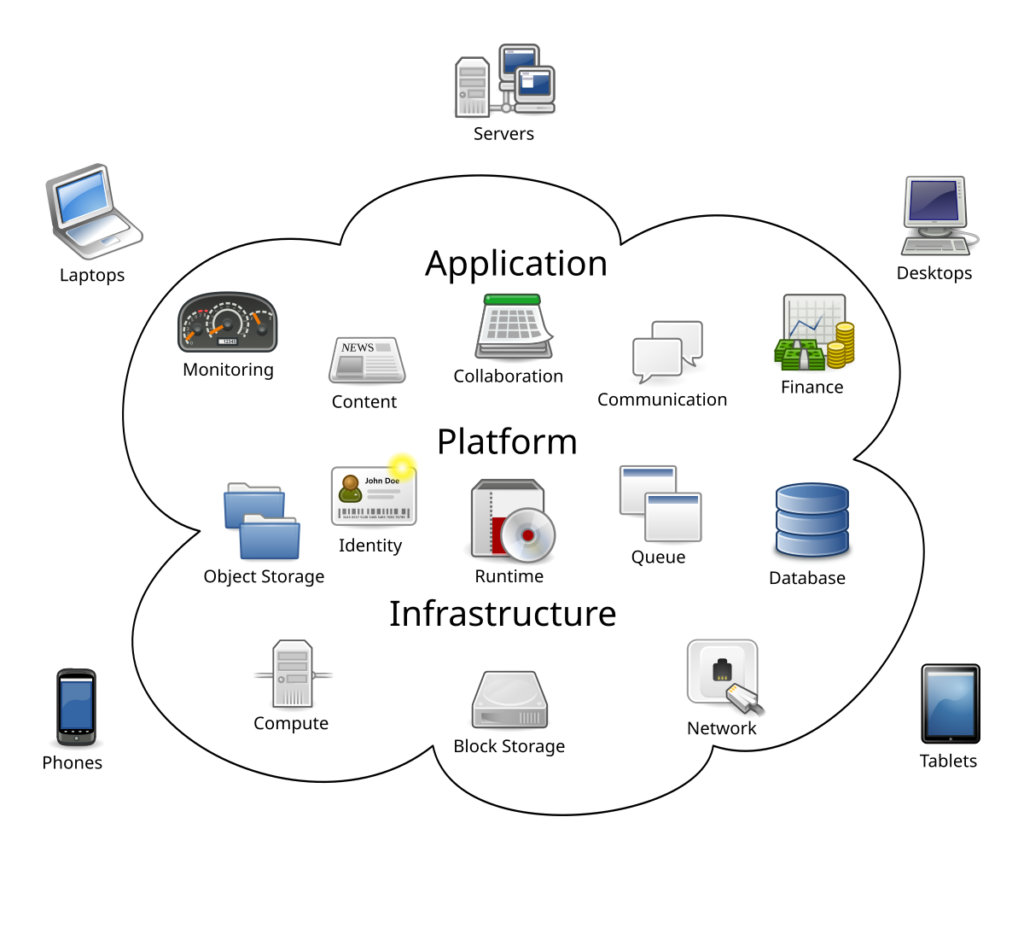
Cloud computing offers various services tailored to different needs:
- Infrastructure as a Service (IaaS): Provides virtualized computing resources like servers and storage. Examples: AWS, Google Cloud.
- Platform as a Service (PaaS): Offers platforms for developers to build and deploy applications. Examples: Microsoft Azure, Heroku.
- Software as a Service (SaaS): Delivers software applications over the internet. Examples: Google Workspace, Salesforce.
How Cloud Computing Transformed Industries
Cloud computing isn’t just a technical solution; it’s a game-changer across industries:
- Healthcare: Enables telemedicine, patient data storage, and AI-driven diagnostics.
- Education: Supports remote learning platforms, virtual classrooms, and collaborative tools.
- Startups and SMBs: Provides cost-effective access to enterprise-grade tools and services.
- Entertainment: Powers streaming platforms, online gaming, and content delivery networks.
Benefits of Cloud Computing
- Cost-Efficiency: Reduces the need for physical hardware and IT maintenance.
- Scalability: Adapts to fluctuating demands, making it ideal for businesses of all sizes.
- Accessibility: Allows access to data and applications from anywhere in the world.
- Security: Offers robust data protection features, though it requires adherence to best practices.
Challenges in Cloud Adoption
Despite its advantages, cloud computing has its challenges:
- Data Security: Storing sensitive information on third-party servers raises concerns.
- Downtime: Service outages, though rare, can disrupt operations.
- Compliance: Organizations must navigate complex regulations regarding data storage and processing.
The Road Ahead for Cloud Computing
As technology evolves, so does cloud computing. Emerging trends like multi-cloud strategies, serverless computing, and AI integration are shaping its future. Moreover, edge computing processing data closer to its source—promises to further enhance cloud capabilities.
Cloud computing is no longer optional; it’s essential. Whether you’re an entrepreneur, a tech enthusiast, or someone curious about innovation, understanding its impact is key to staying ahead in a rapidly changing world.