
AI-Generated Content: A Revolution in Creativity and Efficiency
Introduction
Artificial Intelligence is no longer confined to coding scripts and data crunching; it’s now an artist, a writer, and even a filmmaker. AI-generated content is reshaping industries, allowing individuals and businesses to create faster, smarter, and more efficiently than ever before. But what does this mean for the future of creativity?
What Is AI-Generated Content?
AI-generated content refers to text, images, videos, or even music created by AI algorithms. These systems are trained on massive datasets to mimic human-like outputs. Tools like ChatGPT, Jasper, and DALL·E have democratized access to AI, making content creation accessible to anyone, regardless of technical expertise.
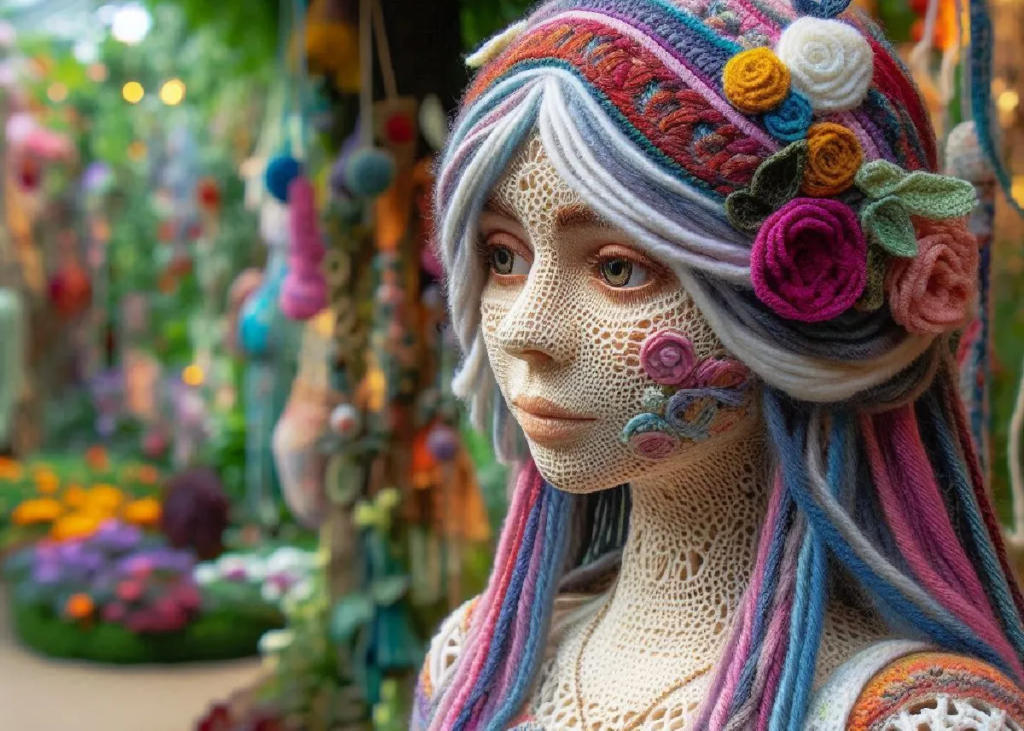
Real-Life Applications of AI Content Creation
- Writing and Editing: AI tools are now being used to generate blog posts, social media captions, and even news articles. They save time and provide fresh perspectives.
- Graphic Design: Platforms like Canva and DALL·E let users create stunning visuals with just a few prompts. No design experience? No problem.
- Video Production: AI can now generate short videos, suggest edits, and even create animations, making video production faster and more cost-effective.
- Music Composition: AI systems like AIVA create background scores and original compositions tailored to specific moods or themes.
Why Businesses Are Embracing AI Content
For businesses, AI-generated content isn’t just a novelty; it’s a necessity. Here’s why:
- Cost-Effective: Creating content manually can be time-consuming and expensive. AI tools offer high-quality outputs at a fraction of the cost.
- Consistency: AI ensures brand messaging stays uniform across all platforms.
- Speed: AI dramatically reduces production time, allowing businesses to stay agile in competitive markets.
The Debate: Human vs. AI Creativity
While AI can mimic human creativity, it can’t replicate the nuances of human experience. For example:
- Originality: AI relies on existing data, so its creations are often combinations of what it has “seen.”
- Emotional Depth: AI lacks the ability to inject real emotions or unique perspectives into its work.
- Ethics: Questions arise around copyright, authorship, and the potential for misuse.
That’s where humans step in. The best results often come from combining human creativity with AI efficiency. Think of AI as a collaborator, not a competitor.
Challenges and Opportunities
Like all technologies, AI-generated content has its hurdles:
- Bias in Output: AI can inadvertently reproduce biases present in its training data.
- Over-Reliance: Dependence on AI can stifle human creativity if not used wisely.
- Ethical Concerns: Misuse of AI for spreading misinformation or deep fakes remains a significant issue.
However, the opportunities far outweigh the challenges. AI can empower creators, allowing them to experiment with ideas and produce content at a scale previously unimaginable.
What’s Next for AI Content Creation?
The future of AI-generated content is bright and full of possibilities. With advancements in natural language processing, generative models, and ethical frameworks, AI will become even more powerful and responsible. From personalized content for audiences to fully AI-driven storytelling, the possibilities are endless.
The key lies in finding balance leveraging AI’s efficiency without losing the human touch that makes content truly resonate.